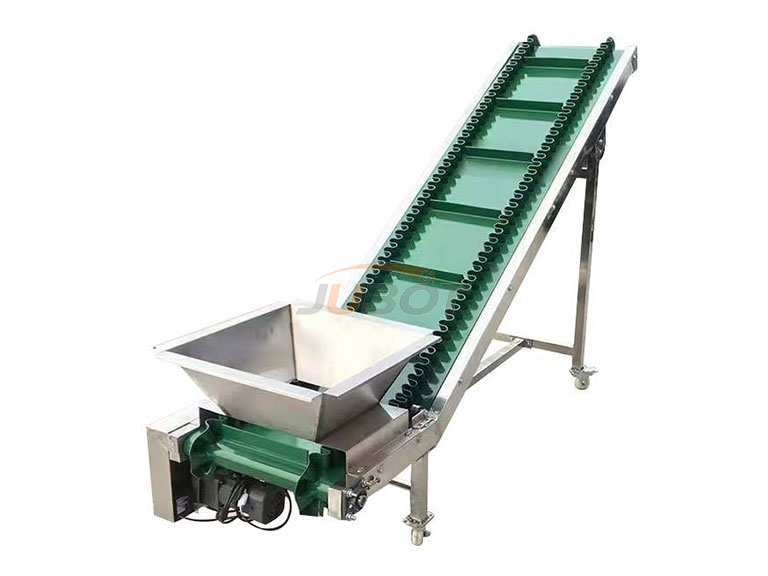
Product Overview
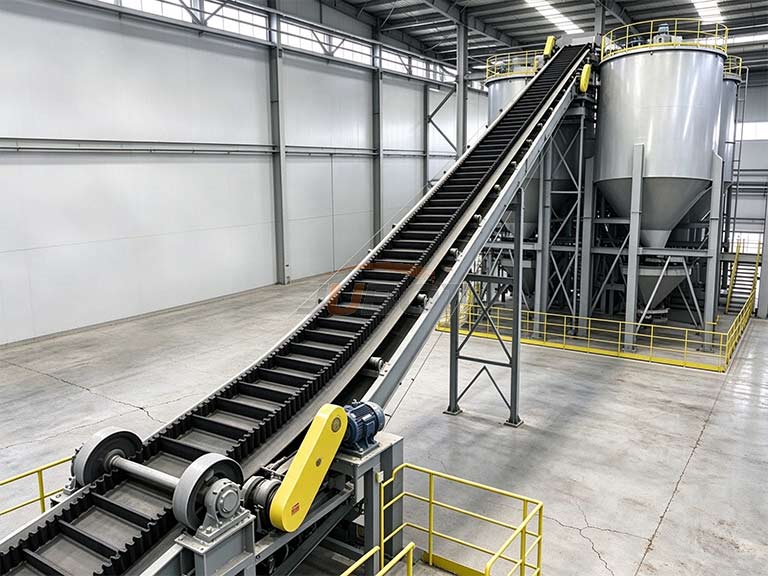
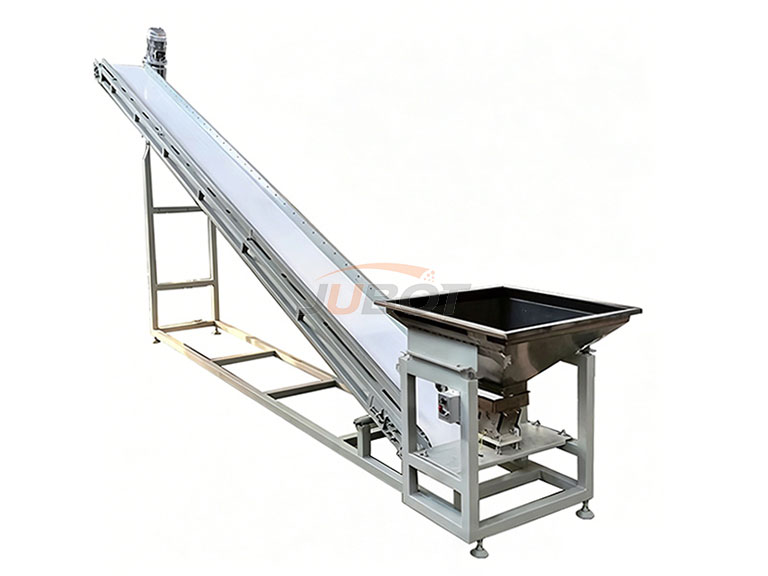
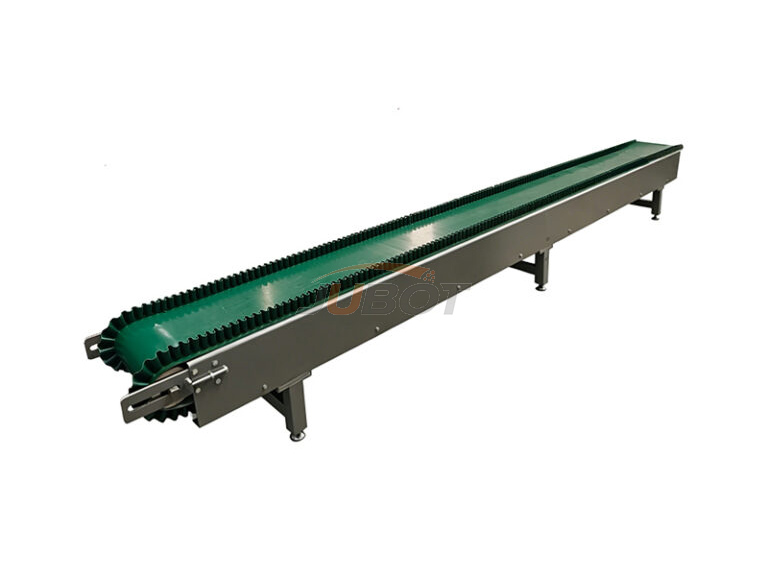
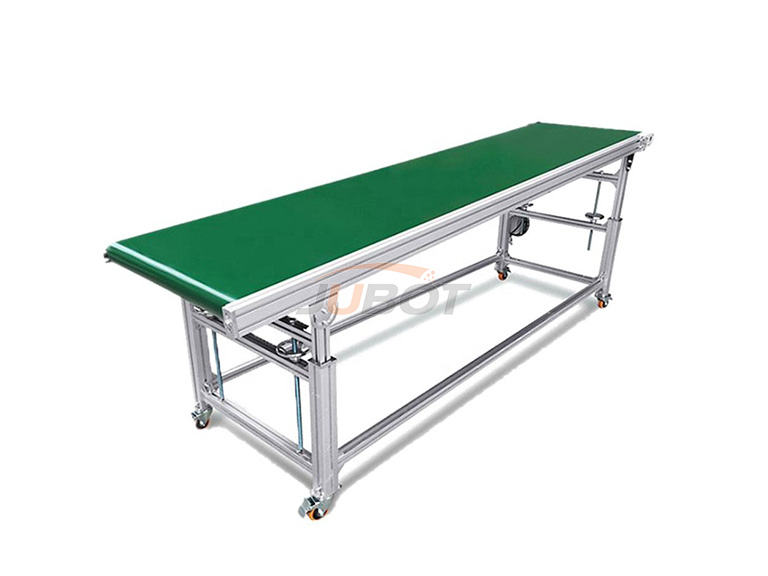
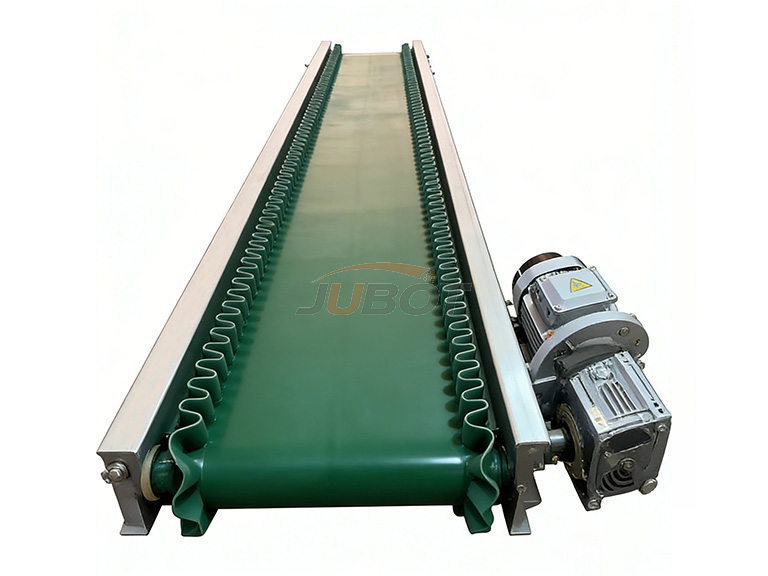
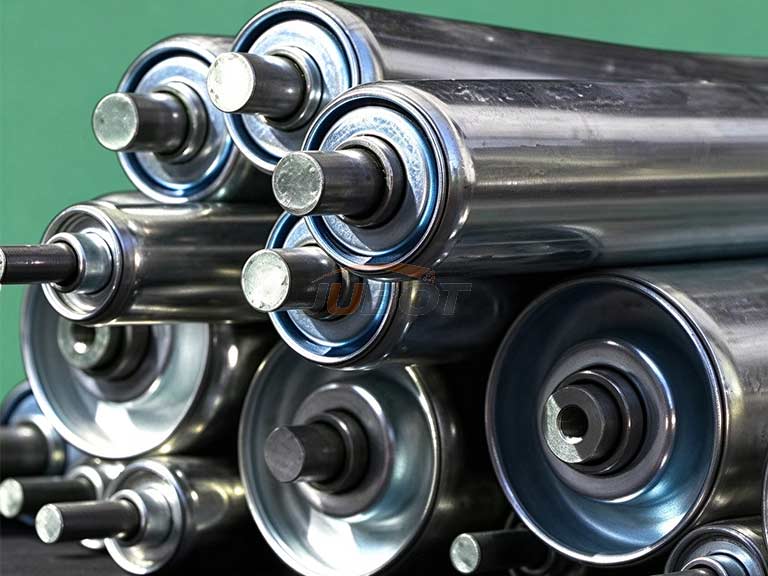
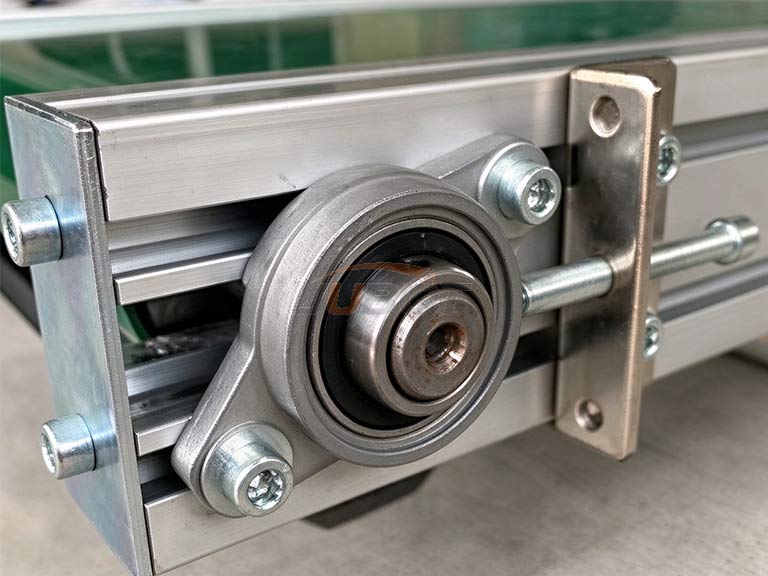
A belt conveyor is a flexible and cost-effective conveying machine, mainly consisting of a conveyor belt, drive pulley, bend pulley, idlers, frame, tension device, and drive motor. Materials are placed on the conveyor belt, and the motor drives the drive pulley to make the belt circulate continuously, achieving continuous material conveying.
Working Principle
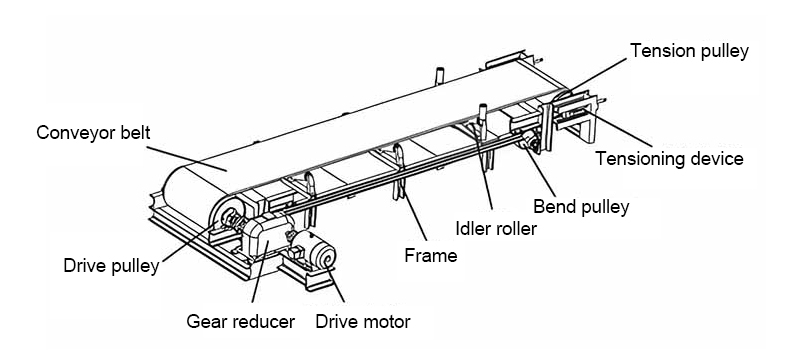
The belt conveyor is driven by an electric motor.. The friction between the drive pulley and the conveyor belt causes the belt to run continuously. Materials fall onto the carrying surface of the belt and move forward together with the belt. When the materials reach the discharge end, they are discharged, while the empty belt returns to the feeding end, forming a continuous conveying cycle.
Features and Advantages
The belt conveyor can continuously transport materials with relatively low energy consumption compared with other conveying methods.
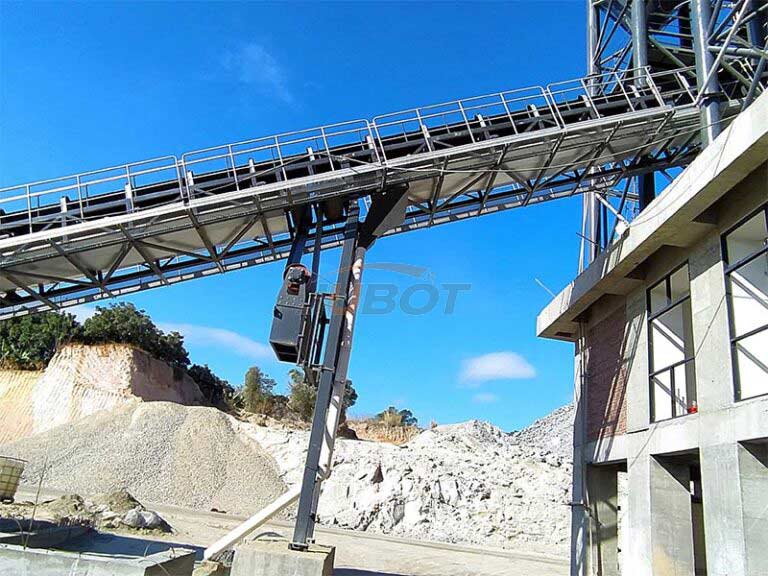
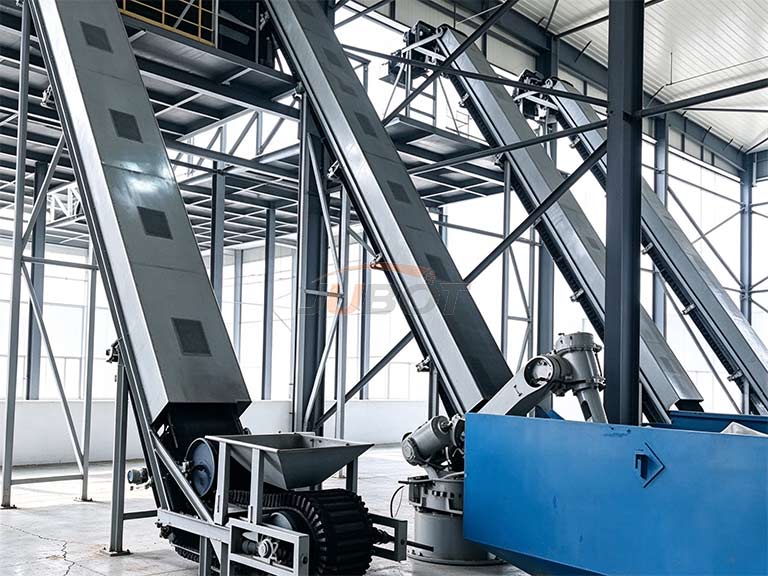
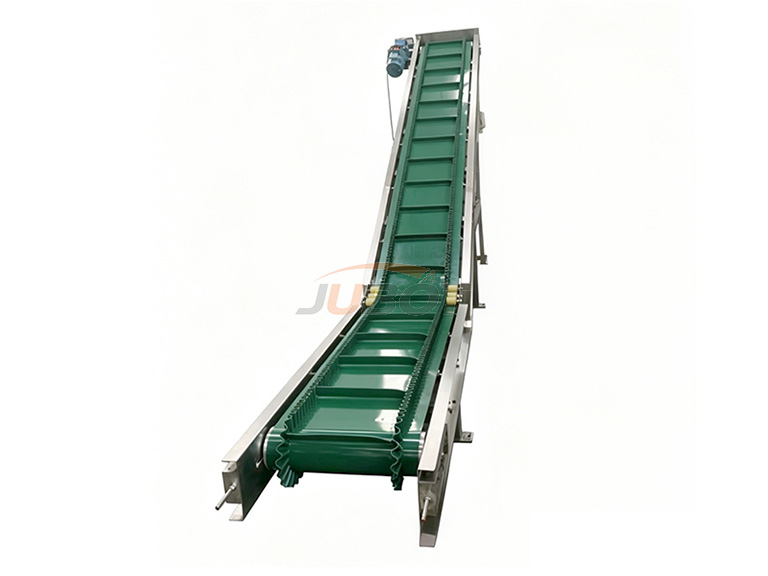
The conveying length can be customized according to the available space. The conveyor can be designed for horizontal, inclined, or other conveying configurations.
With a mature and reliable structure, the belt conveyor provides smooth conveying and causes relatively little damage to the materials.
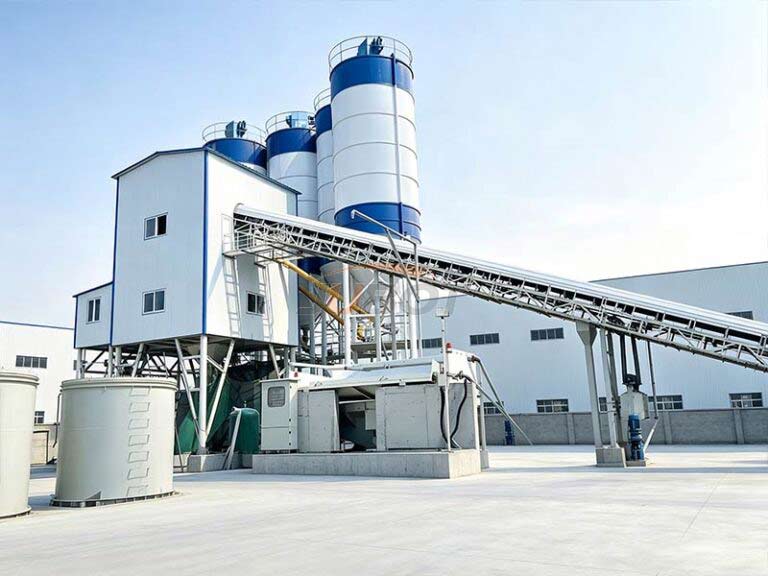
The Belt conveyors can be used as intermediate equipment in production lines and connected with other machines to form a complete material conveying system.
Specification
| Speed | Adjustable speed by control box |
| Frame Material | Carbon steel, SS304, SS316 or others |
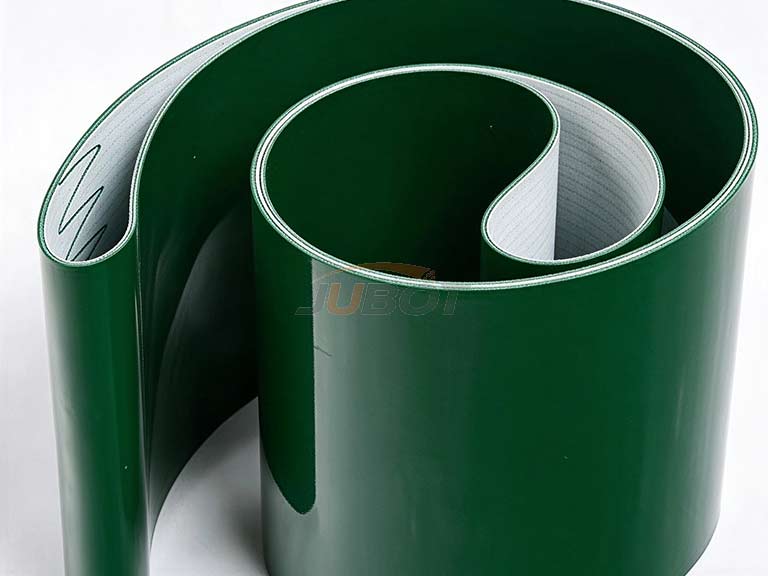
| Belt Material | PVC, PU, Rubber, SS304 |
| Structure | Open or enclosure |
| Width | 100mm, 300mm, 500mm, 600mm, 800mm or customized |
| Conveying height | 1000mm, 3000mm, 5000mm, 8000mm or as per request |
| Design drawing service | Available |
| Motor | China famous brand, (Optional) |
| Control box | Available, PLC connection available |
| Application | Food, powder, granule, bag, building material, bulk solids, others |
| Voltage | 220V/380V/415V/480V or customized |
Applications
The Belt conveyors are suitable for the horizontal or inclined conveying of powdery, granular, and lump materials, as well as the transportation of finished products such as bags and cartons. They can be used for short-distance conveying within workshops or designed for continuous material transportation over longer distances. Belt conveyors are mainly used in industries such as food, grain, chemical, and building materials.